
















News

2016 the Frankfurt exhibition indicate the new direction for the LED lighting industry
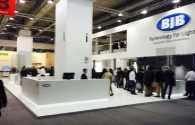
Especially in the LED Linear show see a new ordering system, completely can correspond to project requirements, ordering the lamps and lanterns of different size,
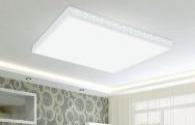
Three key technology of LED panel lights
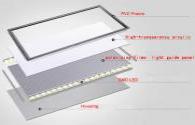
Light performance: the optical performance of the LED panel lights are mainly related to luminosity, spectral and color and other aspects of performance requirements.
The main components LED panel lights presentation
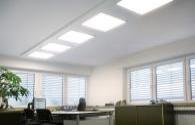
With the development of LED lighting industry, as the LED backlight ramifications LED panel light, its light uniformity,
DLC further improve light efficiency requirements

DLC started working on version 4.0 standard and recently released its first draft version of the standard.
Why LED panel lights green energy
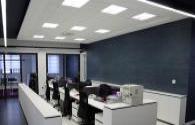
LED panel light source is a new generation of compact fluorescent lamps (ie, ordinary energy-saving lamps).
The LED high bay light is widely used in the field of industrial lighting
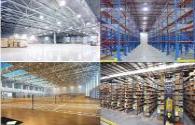
With the development of the society, all kinds of industrial buildings, such as bamboo shoots emerge, in order to ensure the smooth progress of production and inspection workers,
LED lighting arrived at low price
LED price dip, gradually downward trend gradual: instead of 60 w LED bulbs as an example, the average price of 2013-2015 fell 30.74%,
Taiwan new north city promote energy-saving LED lighting
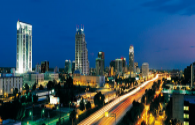
Taiwan new north city bureau folk resources, subsidised by the transfer of green culture association special fund,
The association of lighting industry open new laboratory equipment

To stimulate the development of lighting industry, lighting industry association (LIA) officially opened in April 8, 2016 new laboratory equipment.
China LED lighting to domestic lighting penetration
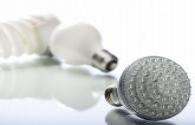
In recent years, China's LED lighting market penetration dramatically increased, in landscape lighting, road lighting, commercial lighting,